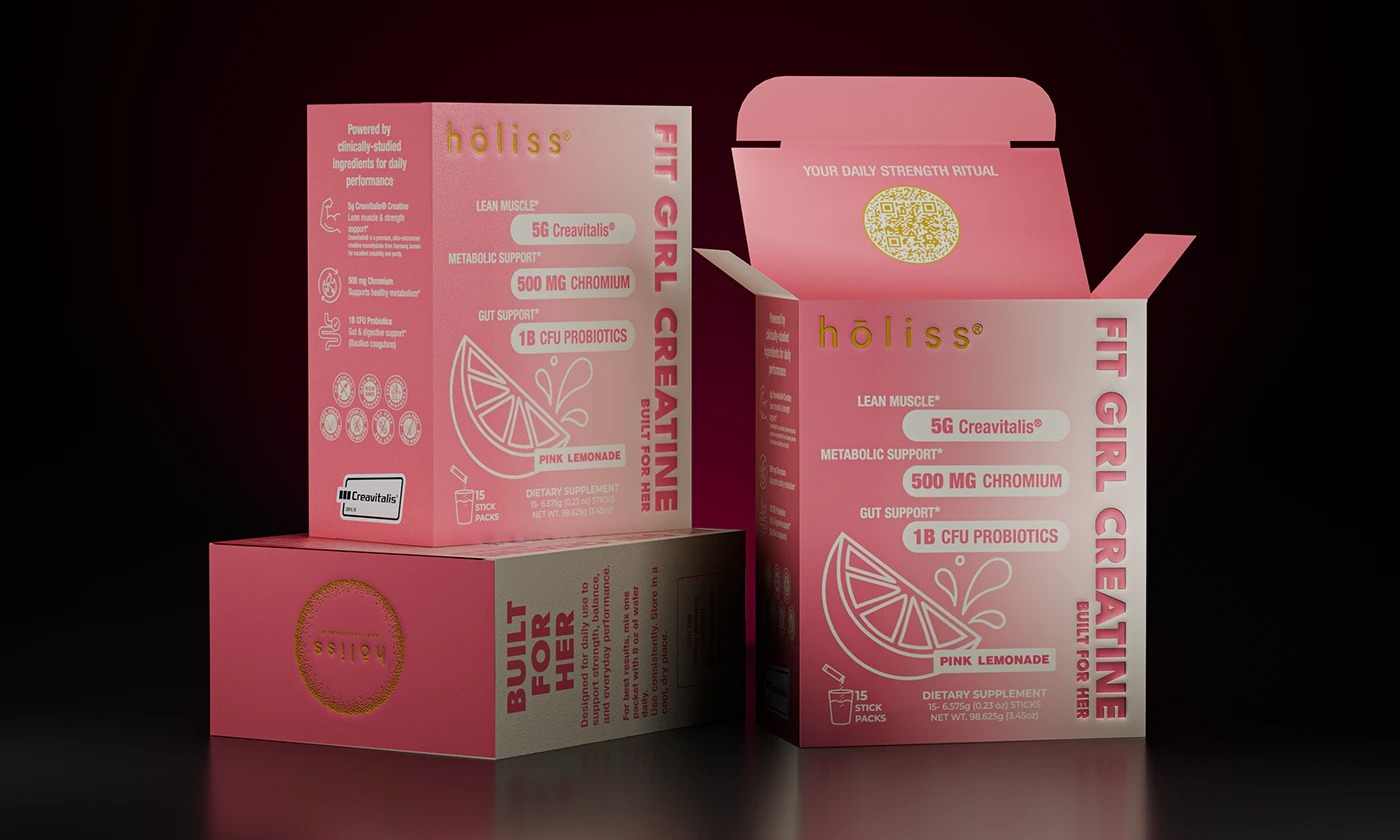
Why 3D Visualization Has Become a Marketing Standard
There was a time when photorealistic 3D product rendering was the exclusive domain of automotive brands and luxury goods. The barrier to entry — in software, hardware, and skilled labour — was high enough to keep it out of reach for most businesses. That time is over. Today, high-quality 3D visualization is accessible to any business serious about how its products are presented — and the businesses using it are pulling ahead of those still relying on traditional photography alone.
What 3D Visualization Actually Is
3D product visualization is the creation of photorealistic digital images or animations of a product using three-dimensional modelling software. The resulting renders are indistinguishable from photography — or, increasingly, better than photography because they offer control that no physical shoot can match. The product does not need to exist. The finish can be changed instantly. The lighting can be perfect. The background can be anything. The product can be shown in a section view, an exploded diagram, or a fully animated sequence — none of which are possible with a camera.
The Commercial Case
The reasons businesses invest in 3D visualization are straightforward and measurable.
Sell before manufacturing: a product in development can be marketed, pre-sold, and crowdfunded using 3D renders months or years before physical production. This de-risks inventory decisions and generates revenue from demand signals before a single unit is built.
Eliminate photography costs at scale: a product with thirty SKUs requires thirty photography sessions if done traditionally. With a 3D model, any variant can be rendered at any time with no additional photography. For businesses with large or frequently updated catalogues, the cost saving over two to three years is substantial.
Perfect consistency across every application: every image — website, catalogue, retail display, social media, advertising — comes from the same model with consistent lighting and presentation. There is no variation between the web photo and the catalogue photo.
Show what photography cannot: a 3D render can show internal mechanisms, exploded component views, material cross-sections, or scale comparisons with an environment. A camera cannot do any of this without expensive specialist photography.
Rapid iteration: a client who wants to see a different colour or surface finish receives the updated image the same day — not after a reshooting. This speed has real commercial value in environments where decisions need to be made quickly.
Where 3D Visualization Applies
The applications extend across more industries than most businesses realise. Consumer goods brands use it for packaging visualization before production begins. Industrial equipment manufacturers use it for technical documentation and sales tools. Furniture companies use it to show products in room settings without building physical sets. Architecture developers use it to sell projects before completion. Electronics brands use it for detailed feature communication.
If your business sells a physical product and you are not using 3D visualization, it is worth calculating how much you are currently spending on photography — and what it is costing you to not have every variant, every angle, and every application covered.
What Quality 3D Visualization Requires
Not all 3D rendering is equal. The gap between mediocre and excellent is immediately visible and has a direct effect on how the product is perceived. Quality visualization requires accurate modelling of product geometry, precise material and surface simulation, sophisticated lighting that matches the intended context, and skilled composition. The output should come in formats that serve every downstream application: high-resolution files for print, web-optimised versions for digital, layered files for further compositing, and transparent backgrounds for flexible placement.
The Integration With Brand Strategy
3D visualization does not exist in isolation. Its effectiveness is multiplied when the visual treatment — lighting style, background approach, composition — is consistent with the broader brand identity. A premium brand needs premium visual treatment in its renders; a technical brand benefits from clinical precision; a lifestyle brand needs context and warmth. The most effective product visualization programmes are briefed with a clear understanding of the brand and the audience, not just the product specifications.